The difference is rarely the curriculum. It's whether you experience the city as a resident or as a guest — and whether the place where you work and learn was built with genuine intention, or assembled for convenience.
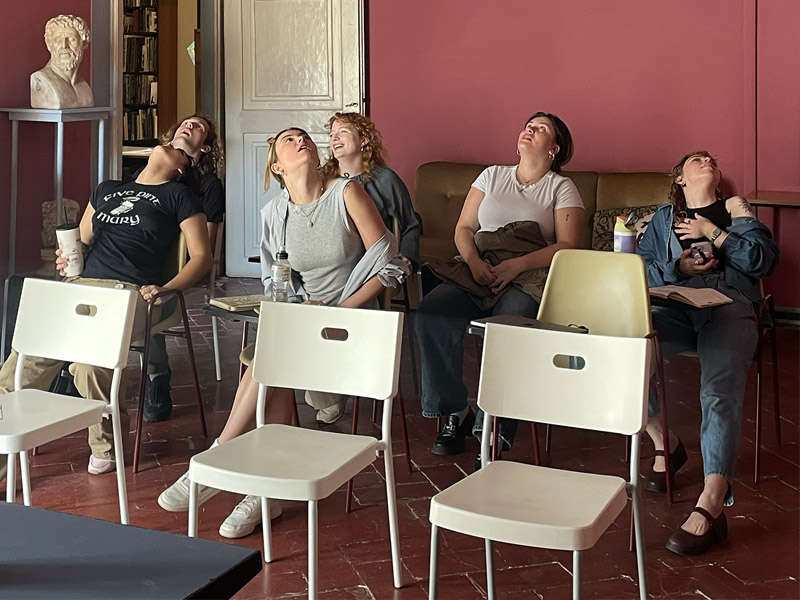
At most Florence programs, the city is a setting — beautifully chosen, expertly packaged, carefully managed. Students move through Florence: organized excursions, curated meals, scheduled cultural encounters. Classrooms are functional. Furniture is flat-packed. The program that runs in Florence runs the same way it runs in Barcelona, in Paris, in Rome — same website, same structure, same logic, different postcard. The experience is real, and it is memorable. But the city remains, at some level, a place you are visiting, and the school remains a place someone else built for someone else.
FSFA was built on a different premise — and built is the right word.
Charles came to Florence as a student, fell into the city, and never left — spending years living and teaching here before co-founding FSFA twenty-five years ago. Melania is Florentine: trained at the Accademia di Belle Arti di Firenze, she has taught there ever since. One crossed an ocean and stayed. One never had to choose at all.
Together they founded a school that no outside operator could build.
Read the founders' story →
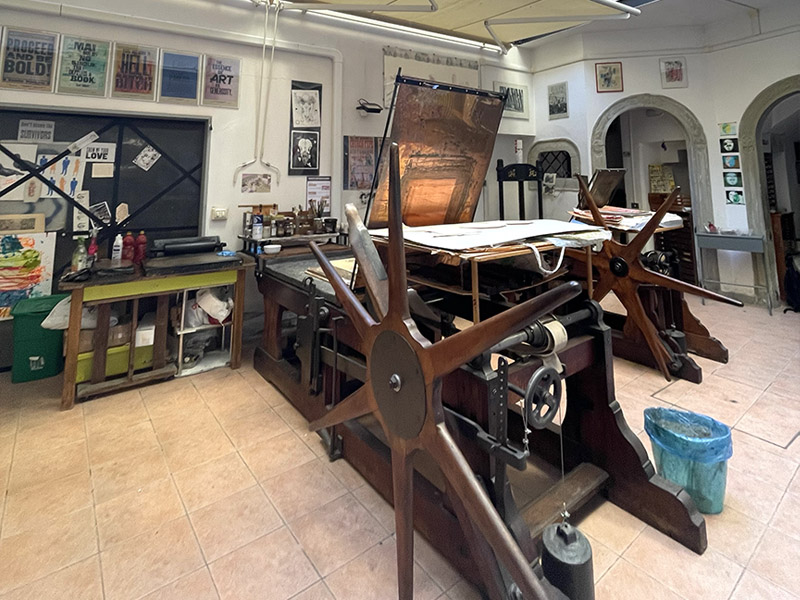
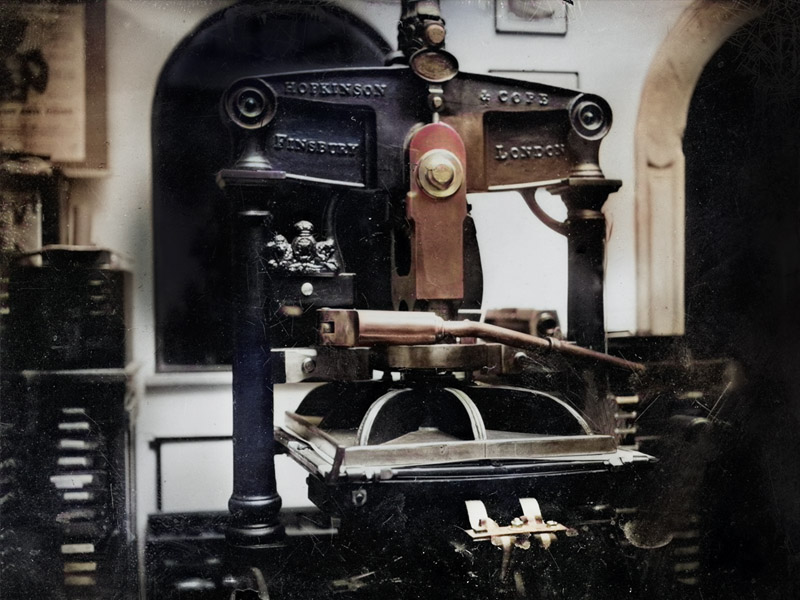
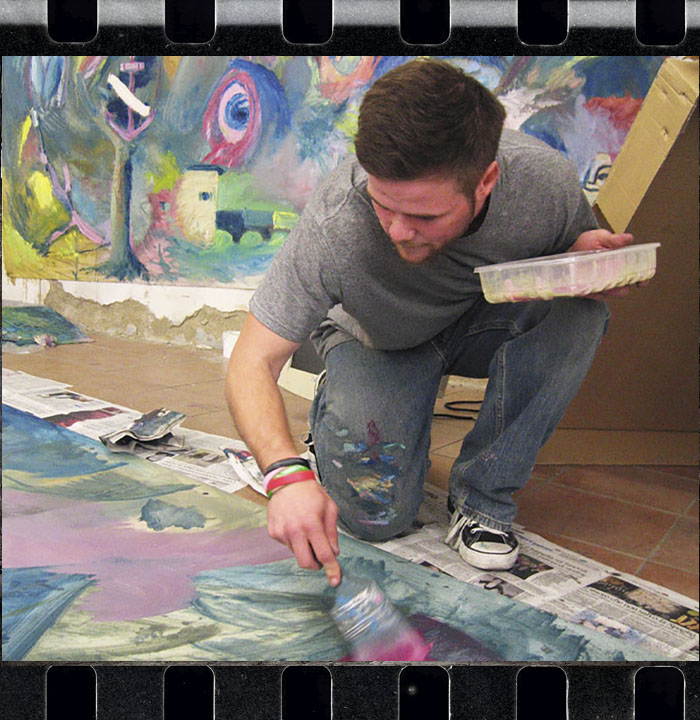
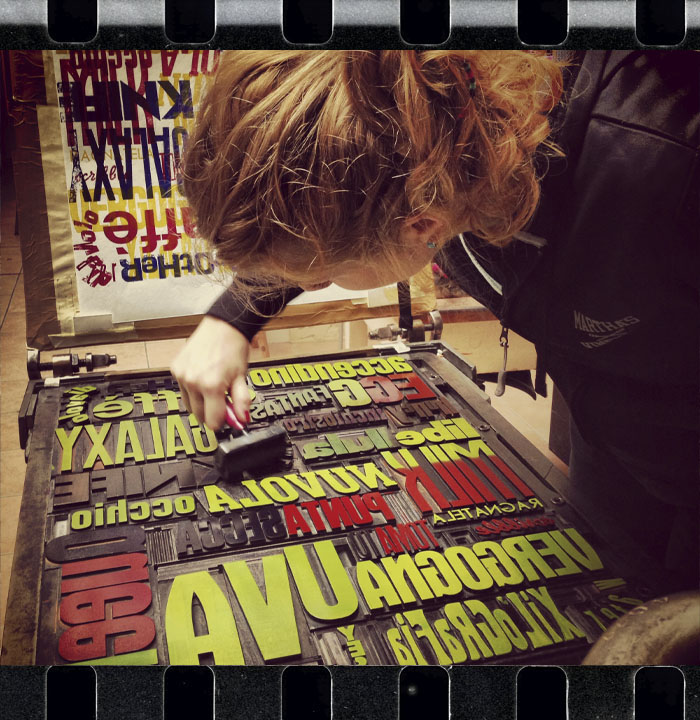
That founding story lives in the school itself. The equipment in our studios — printmaking presses, vintage wood type, darkrooms, cameras, tools — wasn't sourced from a catalog. It was found, pursued, and in many cases rescued from situations where it would have been lost. We restored it. Some of it carries histories that predate the school by a century. Much of it is rare. Some of it exists in very few working studios anywhere. And we don't just have it — we know how to use it, maintain it, and teach with it. That knowledge doesn't come from manuals. It comes from time spent working with these processes, year after year. A school that finds, restores, and builds its studios this way does so because it believes the work matters. That conviction runs through everything — the photography program, the painting studios, the printmaking and book arts facilities, the way courses are built, the faculty who teach them, the relationships with the city that took twenty-five years to develop, and the way students are treated from the moment they arrive.
And students of every background are welcome here. Studio artists come to make the most serious work of their lives. But so do students of literature, architecture, science, business, and the simply curious — because Florence rewards anyone willing to look closely, and FSFA is built to open the city to all of them.
When you come to FSFA, you are not moved through Florence. You enter it — in your own apartment, in a real neighborhood, in studios where the work is serious and the city is always present. You shop at markets. You get lost. You make things. And gradually, without quite knowing when it happened, you stop being a visitor.
That's the experience we offer. Not Florence as a destination.
Florence as a place you will have actually lived — in a school that was built there, by people who belong to it in two completely different and equally irreplaceable ways.